


An Invitation to See the Silk Road Through New Eyes
How Zulya Rajabova’s life in Uzbekistan became inseparable from a 2,000-year Jewish legacy, and why communities across North America invite her to share it.
Some stories begin with a single moment of discovery. Zulya Rajabova’s story began the way all the deepest ones do: slowly, naturally, woven into the fabric of everyday life.
A Childhood Shaped by Centuries
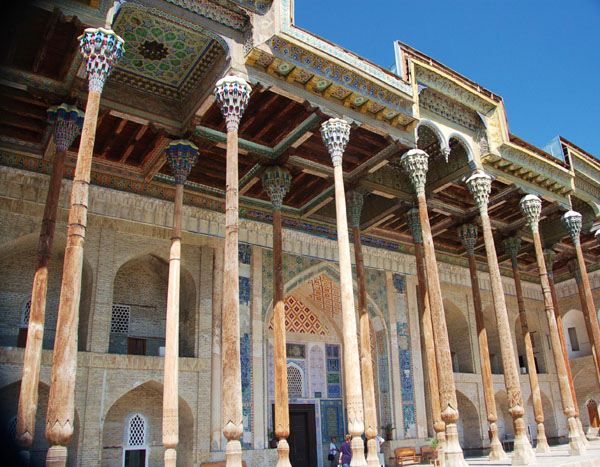
Zulya was born and raised in Bukhara, Uzbekistan, one of the oldest continuously inhabited cities on the Silk Road and one of the oldest centers of Jewish life in the world. Jewish communities have called this ancient oasis city home for more than two thousand years, their traditions layered into the very rhythm of its streets.
For Zulya, Jewish heritage was never something she studied from a distance. It was her neighborhood. Jewish families were her neighbors, their holidays part of her calendar, their customs part of the air she breathed. She watched Shabbat candles lit in windows down the street. She tasted the beautifully decorated breads baked for celebrations. She listened to elders share stories that stretched back generations, carrying the weight and warmth of an unbroken chain.
That childhood gave her something no textbook ever could: an understanding of Jewish life in Central Asia that is felt, not merely learned.
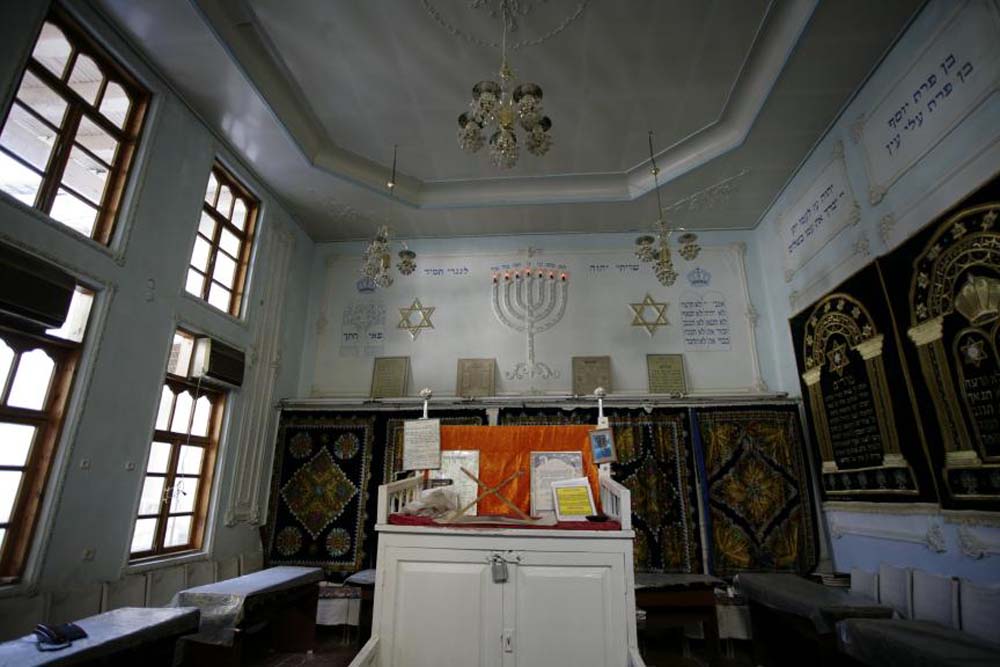
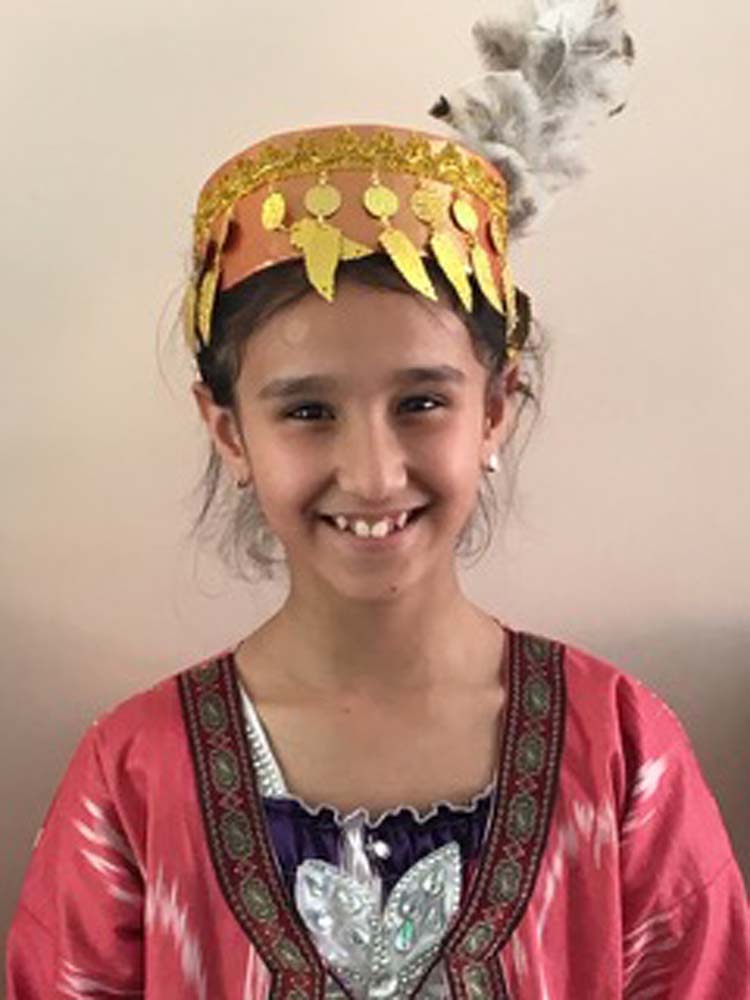
Where Two Traditions Became One Family
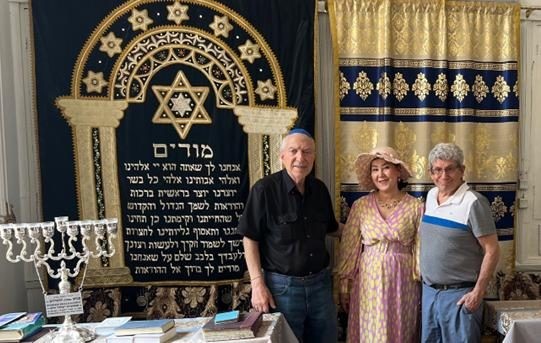
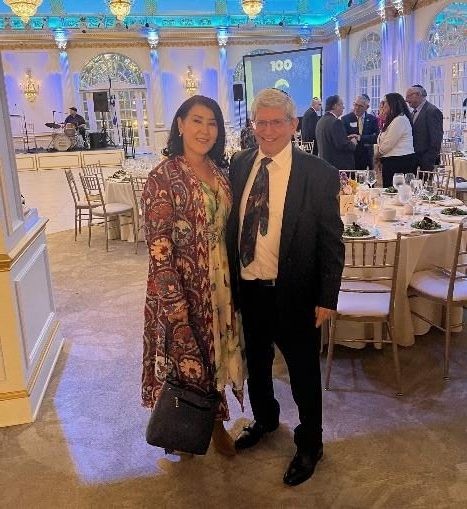
Zulya’s connection to Jewish heritage deepened in the most personal way when she married Lonnie Moss, who is Jewish. Their marriage became a quiet, powerful testament to cultural understanding and mutual respect: two traditions not competing, but enriching one another.
For more than twenty years, Zulya and Lonnie have celebrated Jewish holidays together in both Uzbekistan and the United States. They have observed Passover in the very land where Bukharan Jews have kept that tradition alive for millennia, experiencing the holiday in the heart of the ancient Silk Road. Together, they have participated in community gatherings in Central Asia and abroad, strengthening Zulya’s already profound understanding of Jewish traditions, values, and communal life.
In the United States, they are active members of the Mount Freedom Jewish Center in New Jersey, where Zulya has delivered presentations warmly received by congregants and leadership alike. Their shared life has strengthened what was already a deep appreciation within Zulya, giving her not just knowledge of Jewish customs, but a lived, familial bond with them.
A Voice That Communities Trust
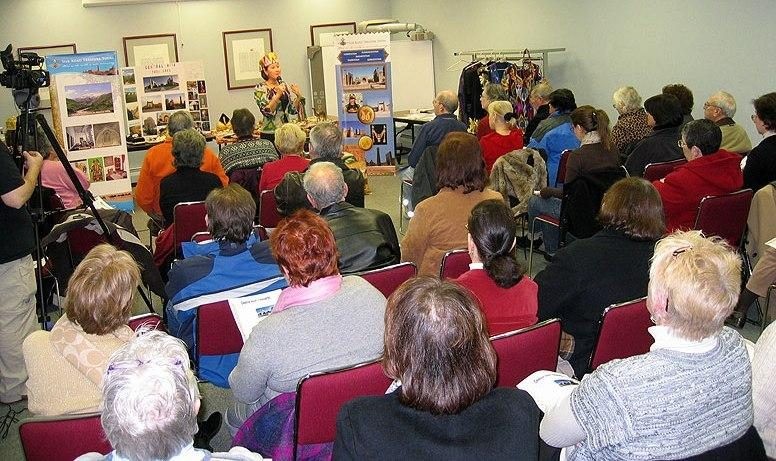
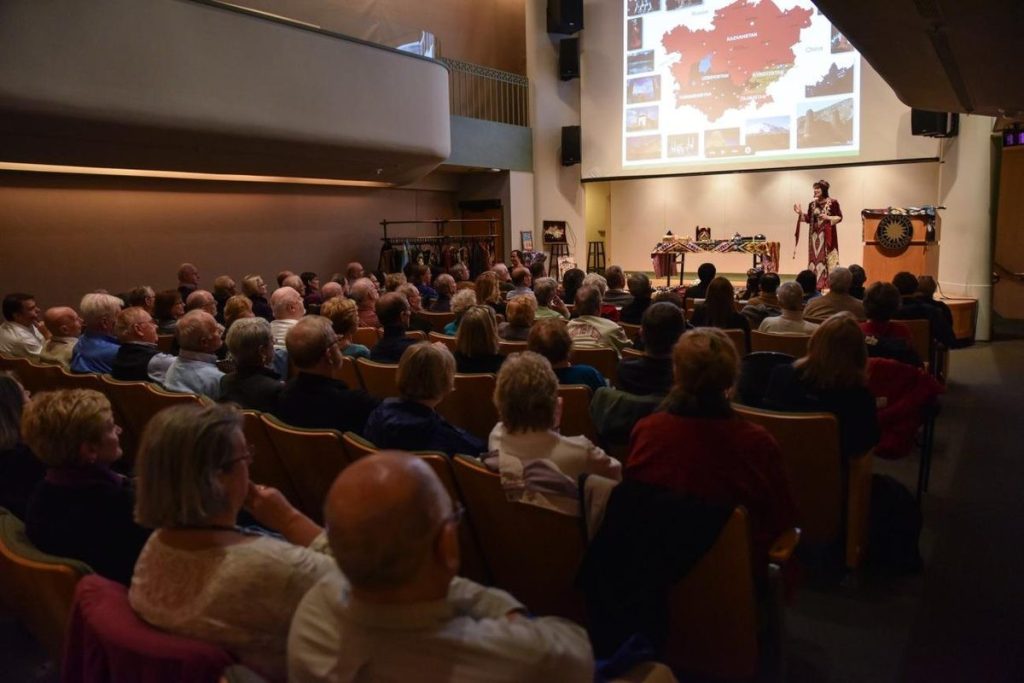
Since 2006, Zulya has been a featured speaker at synagogues, museums, universities, libraries, and Jewish cultural institutions across the United States. The invitations keep coming, not because she delivers polished academic lectures, but because she speaks from a life lived alongside the heritage she describes.
Zulya does not speak as an outsider or academic observer. She speaks as someone who grew up near synagogues in Bukhara, lived among Jewish neighbors, celebrates Jewish holidays with her family, and has spent decades working closely with Jewish communities around the world. Her presentations weave together Jewish life in Bukhara, Samarkand, and Tashkent; the story of Bukharan Jews along the Silk Road; Shabbat and kosher traditions; community resilience; coexistence between Jewish and Central Asian cultures; and personal family stories from her own life.
Audiences describe her presentations as moving, authentic, educational, and deeply inspiring: the kind of experience that stays with you long after you leave the room.
For nearly three decades, Zulya has dedicated her life to preserving, sharing, and celebrating the rich history and resilience of Jewish communities along the Silk Road. She is the founder and president of Silk Road Treasure Tours, an award-winning boutique travel company, and is respected not only as a travel expert but as a cultural ambassador who helps ensure that Jewish heritage in Central Asia is neither forgotten nor reduced to footnotes.
Walking the Silk Road, Touching History
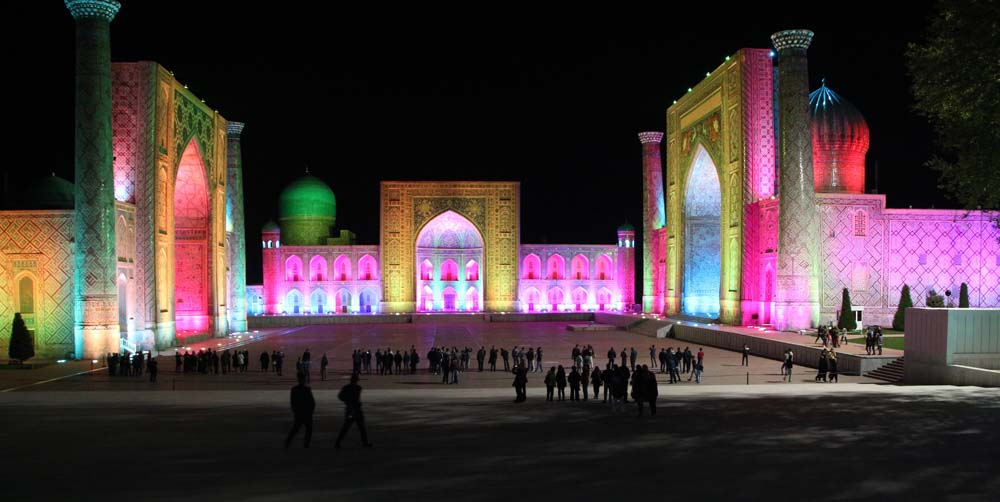
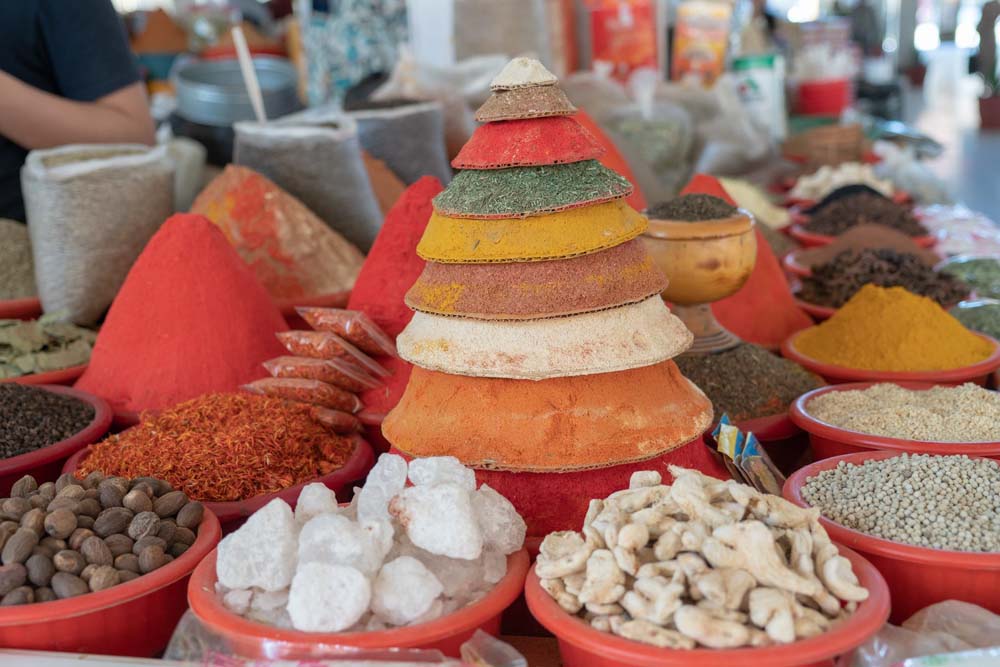
Imagine stepping through the gates of a walled city where blue-tiled madrasas catch the morning light. Imagine walking the narrow lanes of Bukhara’s Jewish Quarter, where synagogues still stand and the greeting is still Shalom Aleyhim. Picture the vibrant bazaars of Samarkand overflowing with warm rounds of bread, mounds of saffron and cumin, and rolls of ikat silk in every color.
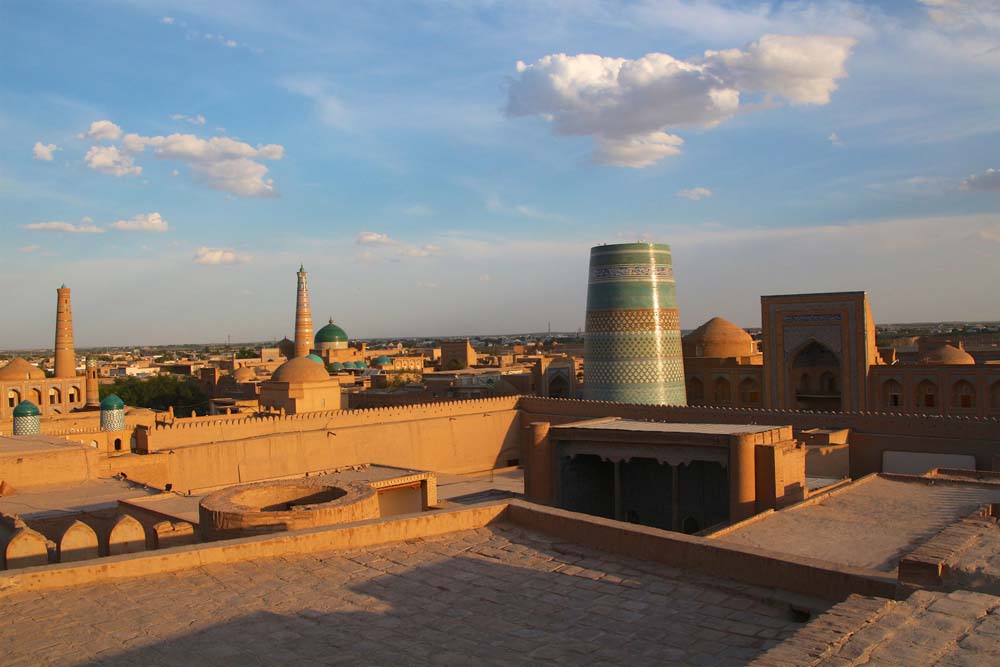
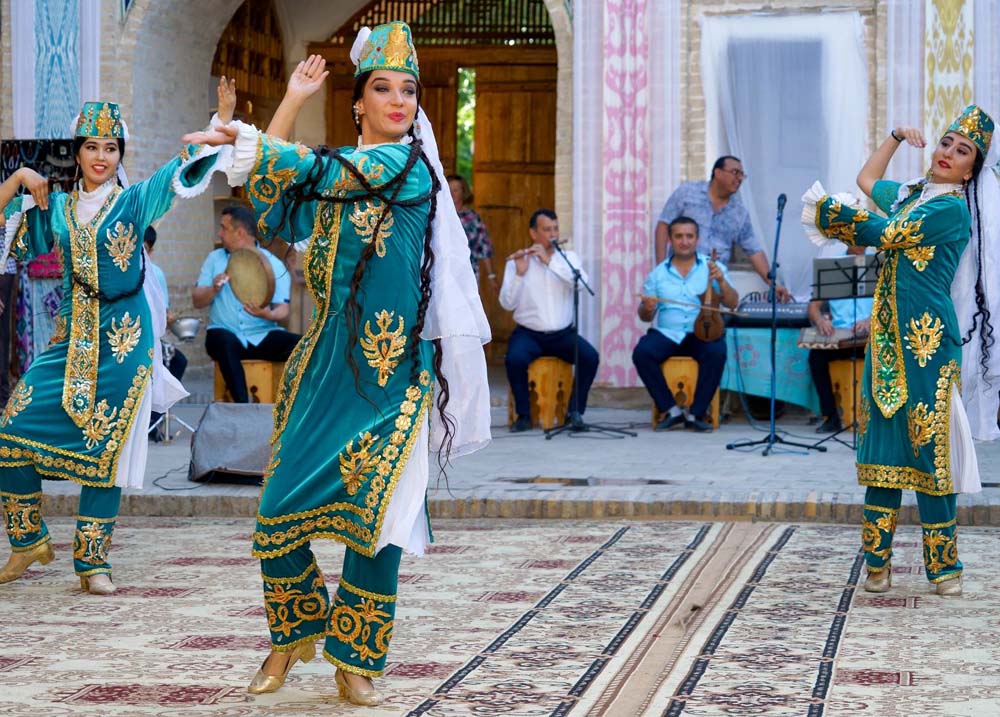
Feel the hush inside Khiva’s Juma Mosque, where two hundred carved wooden pillars hold up the ceiling like a forest turned to art. And everywhere, the hospitality: unhurried, generous, genuine. This is the world Zulya opens for travelers. Not a museum tour, but a living encounter with a place where civilizations have met, traded, and learned from each other for thousands of years.
An Invitation to See the Silk Road Through New Eyes
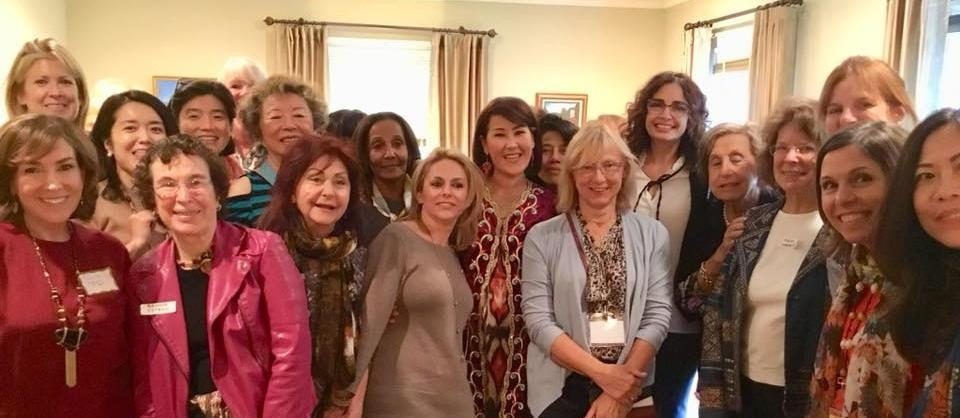
Meeting Zulya Rajabova is more than attending a lecture or booking a journey. It is an opportunity to experience Jewish heritage through someone who grew up alongside it, built a family within it, and has dedicated her life to sharing it with others.
Whether you encounter her voice at a synagogue in New Jersey, a cultural center in California, or on the ancient streets of Bukhara itself, her story invites you to see the Silk Road not as a relic of the past, but as a living bridge between cultures, faiths, and families.
The road is still there. And it is waiting.
Discover Uzbekistan’s Jewish heritage with the people who know it best.


Leave a Reply