


By 2026, Central Asia has quietly reentered the global travel conversation—not as a trend, but as a destination for travelers willing to slow down. Along the old Silk Road routes, movement has always mattered less than exchange: stories traded over tea, crafts learned by watching hands at work, hospitality offered without performance. Today’s visitors are drawn by that same rhythm. They come not to rush between monuments, but to spend time in places where history remains part of daily life.
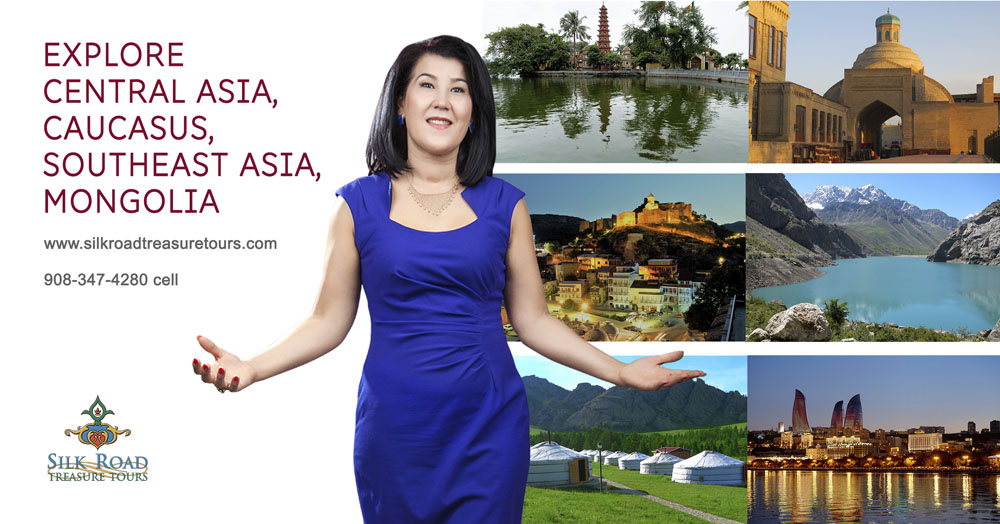
Uzbekistan, Kyrgyzstan, Kazakhstan, Tajikistan, and Turkmenistan each offer distinct landscapes and cultures, yet share a sense of continuity that has grown rare elsewhere. In village homes and neighborhood markets, visitors often find that the most lasting impressions come from conversations rather than itineraries. The region rewards patience, curiosity, and an openness to the unexpected.
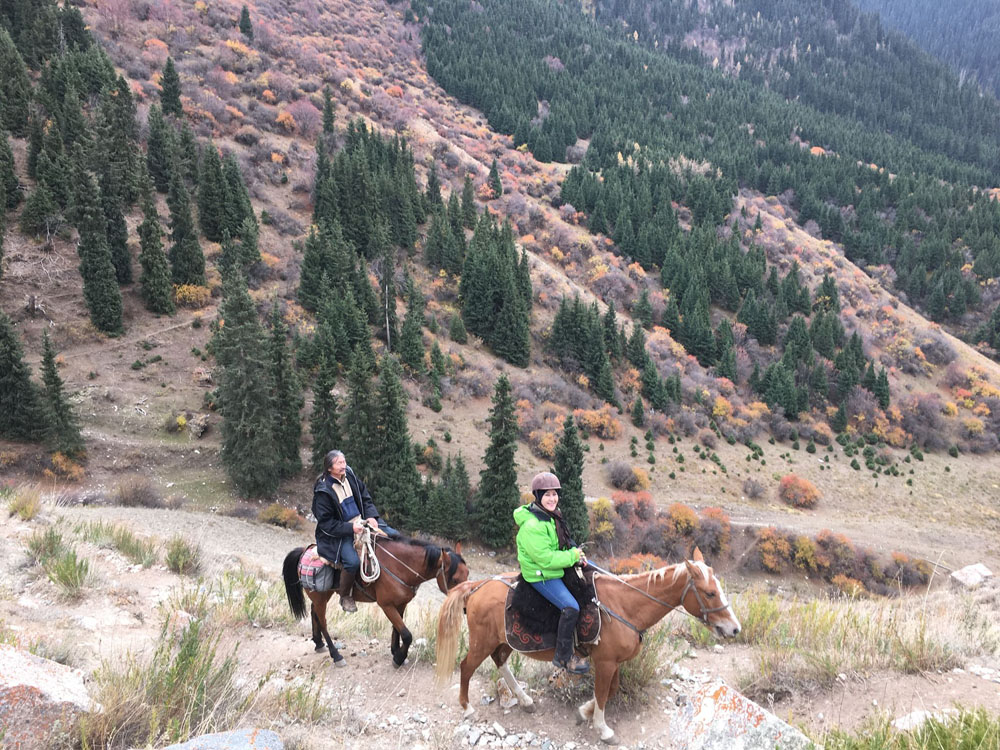
Kyrgyzstan steps into the international spotlight in 2026 as host of the World Nomad Games, a gathering that reflects the country’s living relationship with its past. Set amid mountain valleys and wide alpine plains, the Games bring together athletes, musicians, and artisans from across the region. For travelers, the experience extends beyond the events themselves—nights spent in yurts, long rides on horseback, and evenings shaped by shared meals and local stories. It is a rare moment when cultural celebration and everyday life overlap naturally.
Uzbekistan continues to serve as the cultural anchor of the Silk Road. The historic cities of Samarkand, Bukhara, and Khiva remain powerful in their stillness, while Tashkent reveals a different energy through contemporary art, evolving cuisine, and a growing design culture. Many travelers now choose to visit in spring or autumn, when softer light and quieter streets create space for reflection and deeper connection. These seasons often reveal the country beyond its landmarks, through artisans at work and families welcoming guests into their homes.
Across the region, travel in 2026 reflects a deliberate shift in how people move through the world. Families span generations on shared journeys, reconnecting through landscape, tradition, and storytelling. Interest in Jewish heritage routes, textile traditions, and culinary experiences rooted in local kitchens continues to grow. Adventure remains central as well, from mountain trekking to drives along the Pamir Highway, approached with care and respect for the terrain.
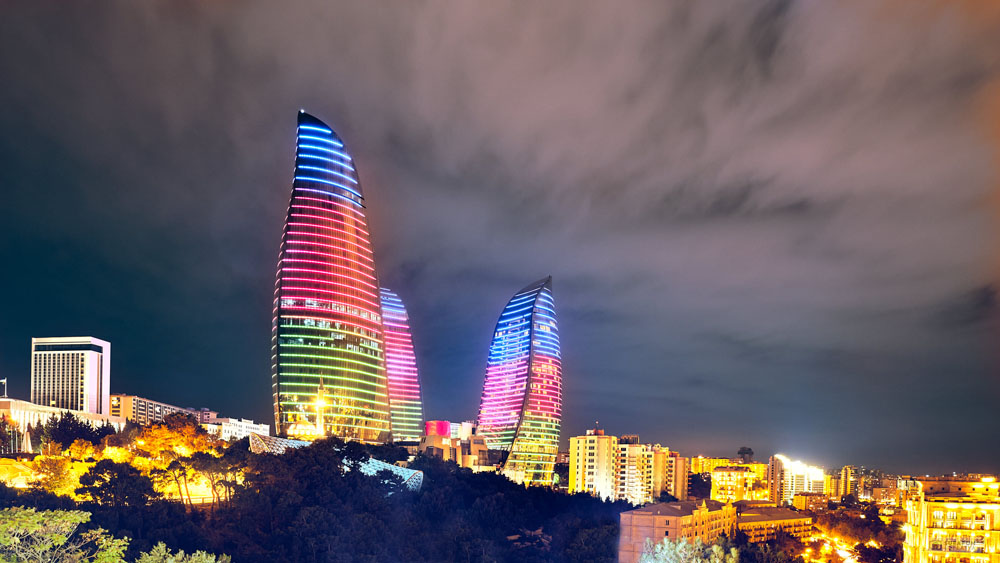
For many, the journey naturally continues into the Caucasus. Georgia’s vineyards and mountain villages, Armenia’s monasteries and layered history, and Azerbaijan’s blend of old craftsmanship and modern life form a natural extension of the Silk Road experience. Together, these regions offer a continuous narrative shaped by centuries of movement, trade, and cultural exchange. For Silk Road Treasure Tours, this part of the world is not newly discovered. Founded and curated by Zulya Rajabova, the company’s journeys are shaped by long-standing relationships and firsthand knowledge. Travel is planned at a human pace, designed for small groups or private travelers who value depth over volume. The Silk Road is not presented as an idea, but as a lived reality—one that invites visitors to arrive with curiosity and leave with understanding.


Leave a Reply