Day 1: Arrival in Baku – The Caspian Gateway
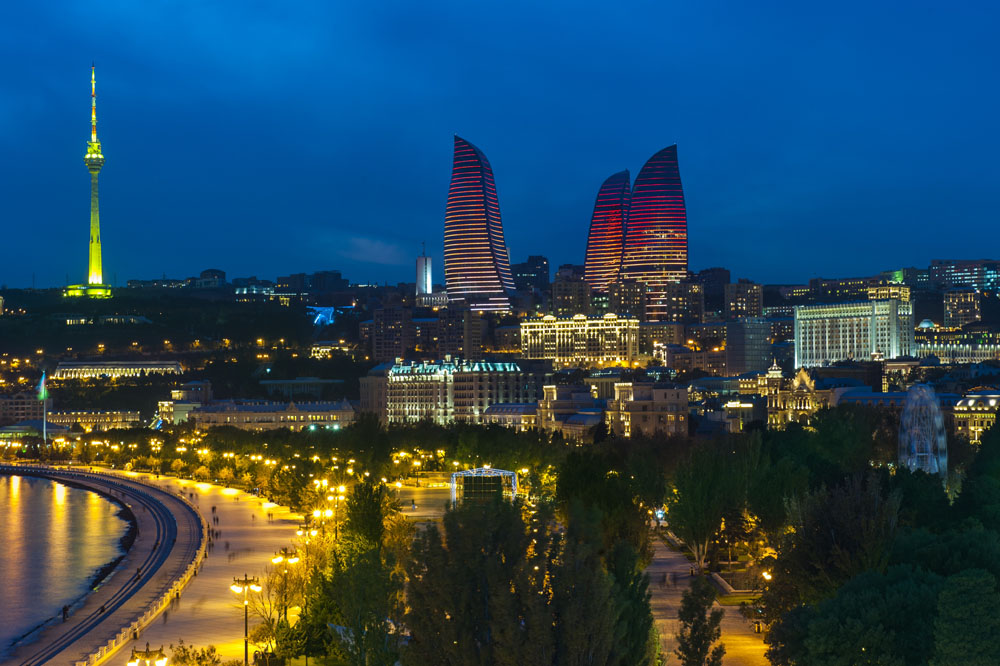
Welcome to Azerbaijan, where the Silk Road meets the Caspian Sea. Upon arrival in Baku, you will be met by your guide and transferred to your hotel. Your first impression of the city is unforgettable, with elegant limestone buildings lining the waterfront, the medieval walled Old City rising beneath the iconic Flame Towers, and centuries of Persian, Turkic, Russian, Jewish, and European influences reflected throughout the skyline.
This evening, join your fellow travelers for a welcome dinner featuring traditional Azerbaijani cuisine while enjoying an introduction to the fascinating Jewish history of the Caucasus. As you savor local specialties, you’ll discover how Jewish merchants and families traveled, traded, and settled along the ancient routes linking Persia, Central Asia, the Caucasus, and the Black Sea. Kosher or kosher-style meal arrangements can be provided upon request with advance notice.
Day 2: Jewish Baku and the Walled Old City
After breakfast, begin your exploration of Baku’s rich Jewish heritage with a visit to an active synagogue, subject to community schedules. Learn about the Mountain Jewish, Ashkenazi, and Georgian Jewish communities that have long contributed to the city’s multicultural identity. Whenever possible, a local community representative will share insights into Jewish religious life, traditions, education, and the role of the Jewish community in modern Azerbaijan.
Continue to Icherisheher, Baku’s UNESCO World Heritage-listed Old City, where centuries of Silk Road history come alive. Wander through its narrow cobbled streets to discover the magnificent Palace of the Shirvanshahs, the iconic Maiden Tower, the historic Juma Mosque, medieval bathhouses, and ancient caravanserais once frequented by merchants from across Asia and Europe. Enjoy lunch at a local restaurant before taking a leisurely stroll along the picturesque Caspian Boulevard, where the city’s historic charm blends seamlessly with its modern waterfront.
Day 3: Museums, Carpets, and the Architecture of Modern Baku
Following breakfast, discover Azerbaijan’s artistic heritage at the renowned National Carpet Museum, where beautifully woven carpets, intricate embroidery, jewelry, traditional costumes, and household treasures tell the story of generations of skilled artisans and family traditions.
Continue through Baku’s elegant oil-boom district, admiring magnificent mansions that blend Gothic, Baroque, Moorish, and Oriental architectural styles. Depending on timing, visit the National Museum of History before exploring the striking Heydar Aliyev Center, the architectural masterpiece designed by Zaha Hadid. Its fascinating exhibitions showcase Azerbaijan’s rich history, music, architecture, traditional costumes, and contemporary culture. This evening, you may have the opportunity to attend a traditional music or cultural performance, subject to the local events calendar.
Day 4: Baku to Guba and Red Village – The World of the Mountain Jews
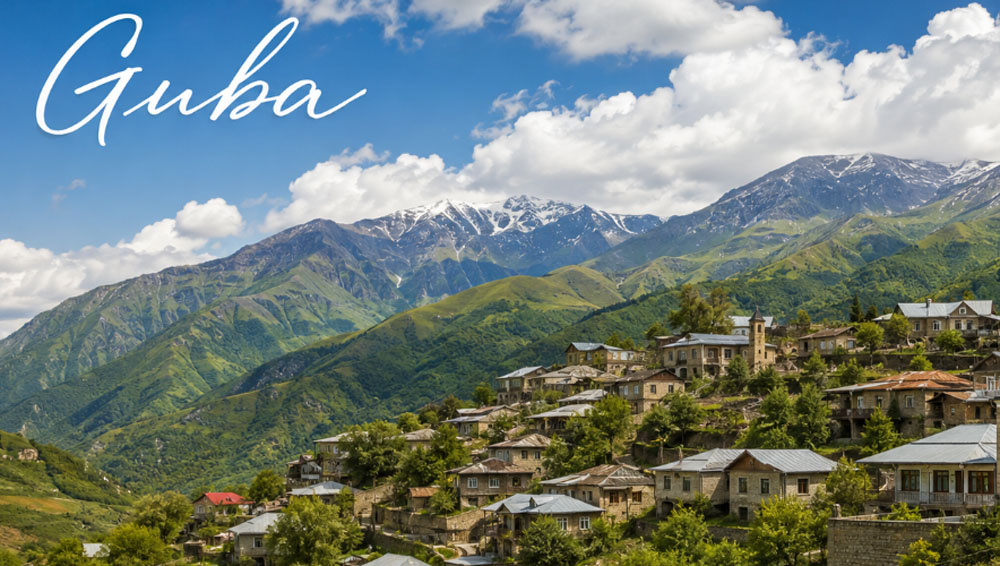
After breakfast, depart Baku and journey north through fertile plains, orchards, and the scenic foothills of the Greater Caucasus to the historic town of Guba and the remarkable Red Village (Qırmızı Qəsəbə). Recognized as one of the world’s only all-Jewish settlements outside Israel and the United States, Red Village has been home to the Mountain Jewish community for centuries. Here, generations have carefully preserved the Juhuri language, Jewish traditions, and close-knit family life despite changing political landscapes.
Stroll through quiet streets lined with distinctive red-roofed homes, visit an active synagogue, and gain a deeper understanding of the community’s unique heritage. When available, meet local community members who share personal stories about their history, faith, education, and daily life. A special regional lunch introduces the flavors of northern Azerbaijan and, where possible, traditional Mountain Jewish cuisine before returning for the evening.
Day 5: The Museum of Mountain Jews and the Art of Carpet Weaving
Following breakfast, enjoy a deeper exploration of Mountain Jewish history with a visit to the Museum of Mountain Jews, housed in a beautifully restored former synagogue. Through family photographs, religious artifacts, household objects, traditional clothing, and musical heritage, the museum offers a fascinating glimpse into the everyday lives, customs, and resilience of this remarkable community.
Depending on local schedules, you may also visit another historic synagogue, a community center, or the Jewish cemetery to further appreciate the region’s rich heritage. Before returning to Baku, stop at a traditional carpet workshop, where skilled artisans continue the centuries-old craft of hand-weaving intricate Azerbaijani carpets. Enjoy lunch at a local restaurant while experiencing the warm hospitality and cultural traditions that define this remarkable region.
Day 6: Shamakhi, Oghuz and Sheki – Faiths Along the Silk Road
After breakfast, travel west through Azerbaijan’s picturesque countryside to Shamakhi, one of the country’s oldest cities and a former capital of the Shirvanshah Kingdom. Once an important stop along the Silk Road, Shamakhi welcomed merchants, scholars, and pilgrims from across Asia and Europe. Visit the historic Juma Mosque, one of the oldest mosques in the Caucasus, and reflect on the diverse cultures and religions that have flourished here for centuries.
Continue to Oghuz, where a lesser-known chapter of Azerbaijan’s Jewish heritage unfolds. Explore its historic synagogues, traditional homes, and peaceful Jewish cemetery, offering insight into a community that played an important role in the town’s history. Later, arrive in the charming Silk Road town of Sheki, renowned for its beautifully preserved architecture. Visit the magnificent Palace of the Sheki Khans, famous for its exquisite shebeke stained-glass windows and elaborate frescoes, before exploring the historic caravanserai and artisan quarter. End the day with a traditional Azerbaijani dinner featuring regional specialties.
Day 7: Sheki to Tbilisi – From the Caspian to Georgia
After breakfast, enjoy some free time to explore Sheki’s lively market or visit a local artisan workshop before continuing your journey to the airport for your flight from Azerbaijan to Georgia. This short flight offers a seamless transition from the Caspian landscapes of Azerbaijan to the mountains and valleys of neighboring Georgia.
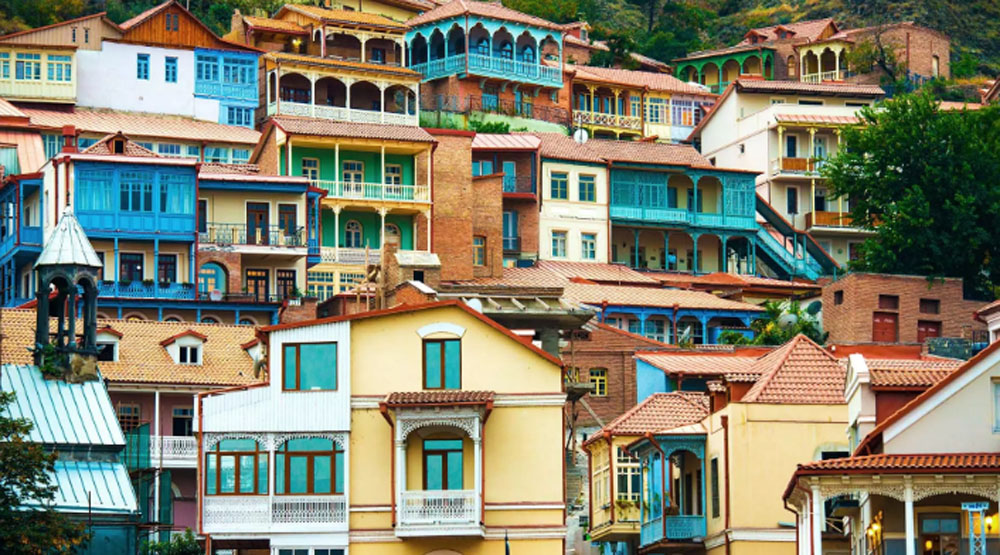
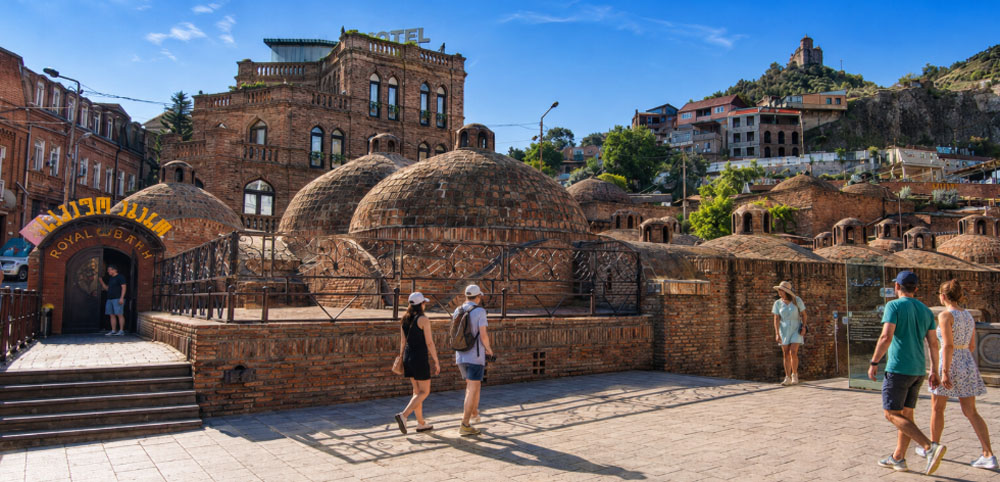
Upon arrival in Tbilisi, you will be welcomed and transferred to your hotel. In the evening, enjoy a leisurely walk through the atmospheric Old Town, where colorful wooden balconies, historic merchant houses, sulfur bathhouses, churches, a mosque, and synagogues reflect the city’s remarkable multicultural heritage. Your day concludes with a traditional Georgian welcome dinner, where you’ll be introduced to the rich history of Georgia’s Jewish community, whose roots are believed to extend back more than 2,600 years.
Day 8: Jewish Tbilisi – Synagogues, Museum and Old Neighborhoods
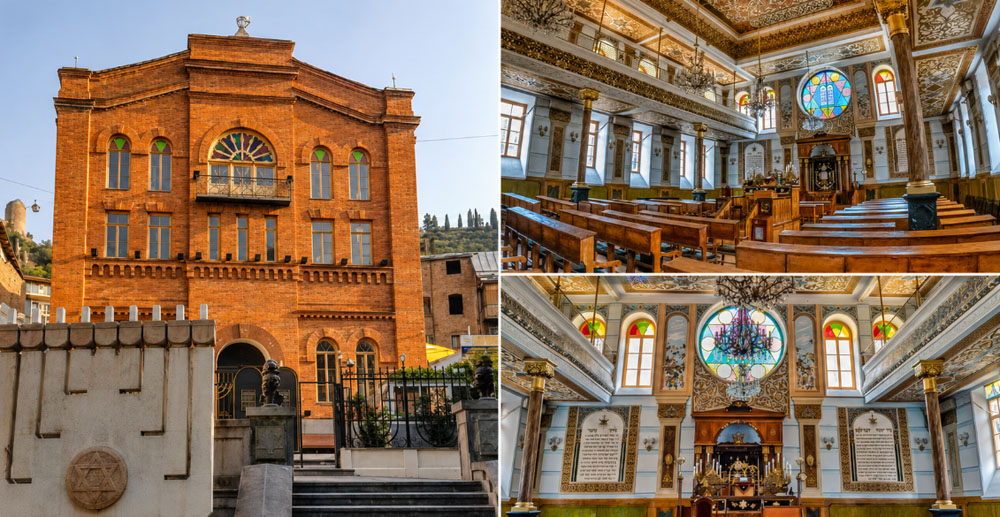
After breakfast, begin your exploration of Tbilisi’s Jewish heritage with a visit to the Great Synagogue, the spiritual heart of Georgia’s Jewish community. Subject to opening arrangements, you will also visit the historic Ashkenazi Synagogue and learn how different Jewish traditions have flourished side by side in the Georgian capital. When possible, meetings with community members offer valuable insights into Jewish religious life, education, migration, and contemporary traditions.
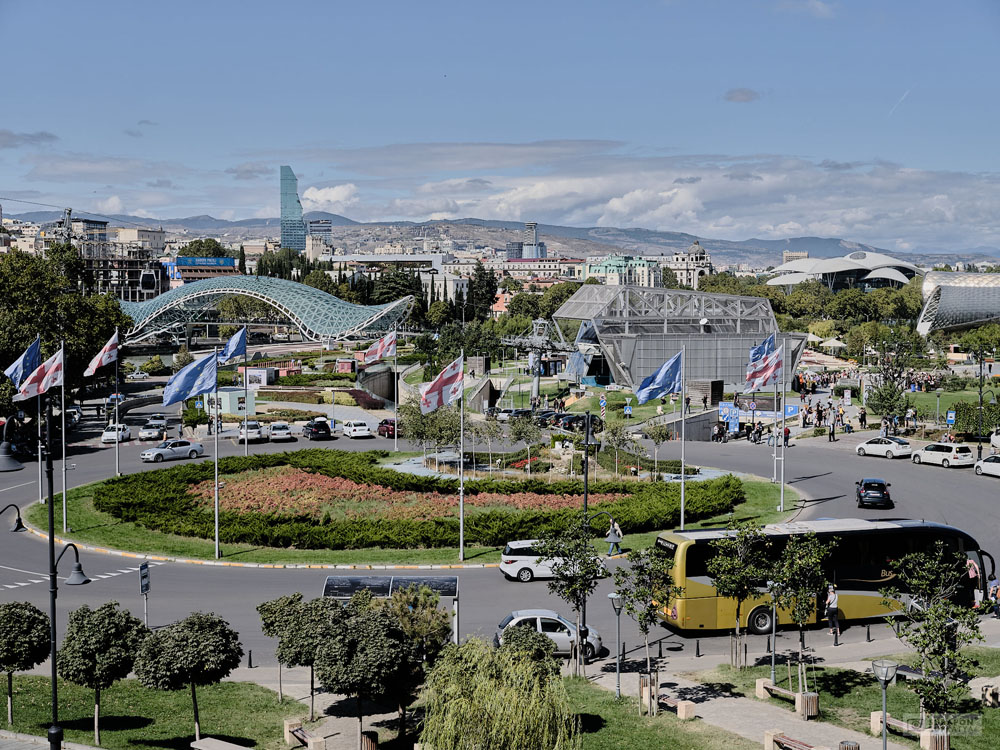
Continue to the David Baazov Museum of the History of Georgian Jews, where ceremonial objects, manuscripts, family photographs, traditional clothing, and religious artifacts bring more than two thousand years of Jewish history to life. Later, explore the charming streets of Old Tbilisi, visiting the historic sulfur bath district, Metekhi Church, Narikala Fortress, and the modern Bridge of Peace. Along the way, discover how synagogues, churches, and a mosque stand together as symbols of the city’s remarkable multicultural heritage. Lunch is included today.
Day 9: Mtskheta – Ancient Georgia, Sacred Heritage and Georgian Traditions
Following breakfast, travel to Mtskheta, Georgia’s ancient capital and one of the country’s most sacred cities. Closely connected with the early history of Judaism and Christianity in Georgia, Mtskheta offers a fascinating glimpse into the nation’s cultural and spiritual heritage. Explore its charming streets before visiting the magnificent Svetitskhoveli Cathedral and the hilltop Jvari Monastery, both UNESCO World Heritage Sites renowned for their architecture, history, and spectacular views over the river valleys.
This afternoon, experience the warmth of traditional Georgian hospitality through a memorable culinary experience. Visit a local family home, bakery, or traditional wine cellar, where you may learn the art of baking Georgian bread, preparing the beloved sweet churchkhela, or discover the ancient qvevri method of winemaking. Even for non-drinkers, this experience provides a wonderful introduction to Georgia’s rich culinary traditions, featuring fresh herbs, walnuts, cheeses, vegetables, and homemade specialties. Lunch is included during today’s excursion.
Day 10: Tbilisi to Kutaisi via Gori and Uplistsikhe
After breakfast, depart Tbilisi and journey west through the heart of Georgia. Near Gori, visit the remarkable ancient cave city of Uplistsikhe, an extraordinary rock-hewn settlement that once served as an important stop along historic trade routes. Explore its caves, temples, tunnels, halls, and ancient streets while learning about the civilizations that flourished here and the diverse communities that traveled through the Caucasus over the centuries.
Continue to Kutaisi, one of Europe’s oldest continuously inhabited cities and once home to a thriving Jewish community. Upon arrival, enjoy an introductory walk through the historic center, crossing elegant bridges and browsing the lively local market filled with fresh produce, aromatic herbs, cheeses, breads, spices, and regional delicacies. This evening, enjoy a traditional Georgian dinner showcasing the distinctive flavors of western Georgia.
Day 11: Jewish Kutaisi – Synagogues, Community and Imeretian Culture
After breakfast, explore Kutaisi’s historic Jewish Quarter, where three beautifully preserved synagogues dating from the nineteenth and early twentieth centuries reflect the city’s once-flourishing Jewish community. Learn about Jewish religious traditions, Hebrew education, festivals, family life, and the enduring connections that united Georgian Jewish communities across the region.
When available, meet a local historian or community member who shares personal stories of heritage, migration, and community life. Continue discovering the cultural traditions of the Imereti region through local artisan workshops and vibrant markets. A special regional lunch introduces authentic Imeretian cuisine, featuring fresh vegetables, herbs, walnuts, traditional breads, and regional specialties, complemented by warm Georgian hospitality.
Day 12: The Racha Mountains and the Oni Synagogue
Following breakfast, journey into the breathtaking Racha Mountains, one of Georgia’s most scenic regions. Surrounded by forests, rivers, vineyards, and picturesque villages, this peaceful landscape provides the perfect setting to understand how smaller Jewish communities developed unique local traditions while remaining connected to the wider Jewish world.
Arrive in the historic town of Oni to visit its magnificent synagogue, built in 1895 and regarded as one of Georgia’s finest Jewish heritage sites. Admire its elegant limestone architecture, beautiful interior, Hebrew inscriptions, and historic significance while learning how both Jewish residents and their Georgian neighbors worked together to preserve the synagogue during the Soviet era. When possible, hear personal stories from a local caretaker or resident about the families who once gathered here to celebrate Shabbat and Jewish holidays. Conclude the day with dinner featuring regional cuisine.
Day 13: Return to Tbilisi – Farewell to the Caucasus
After breakfast, return to Tbilisi, traveling through Georgia’s beautiful mountain valleys and rural countryside. Along the journey, reflect on the remarkable Jewish communities encountered throughout your travels, from the Mountain Jews of Azerbaijan and the historic synagogues of Baku to the centuries-old Jewish heritage of Tbilisi, Mtskheta, Kutaisi, and Oni.
Depending on your departure schedule, there may be time for a final visit to a local gallery, artisan workshop, or market before transferring to the airport. As your journey comes to an end, you leave with far more than photographs and souvenirs. The memories of welcoming communities, inspiring heritage sites, shared meals, rich traditions, and the enduring spirit of Jewish life across the Caucasus will remain long after your journey has concluded. A farewell meal may be arranged when flight schedules permit.